Pelvic floor weakness is more common than you think. Learn how non-invasive technology like Emsella® is helping people regain strength, comfort, and confidence.
The pelvic floor is a group of muscles that supports your bladder, bowel, and reproductive organs. Despite its critical role in daily comfort and quality of life, pelvic floor health is rarely discussed — leaving millions of people suffering in silence from weakness, incontinence, or diminished intimate wellness.
Why Does Pelvic Floor Weakness Happen?
Pelvic floor muscles can weaken due to pregnancy and childbirth, aging, hormonal changes (particularly during menopause and andropause), chronic straining, obesity, or simply lack of targeted exercise. Both women and men are affected, though the triggers and symptoms may differ.
- Urinary leakage during coughing, sneezing, or exercise
- Frequent nighttime bathroom visits
- Reduced sensation or comfort during intimacy
- A feeling of heaviness or pressure in the pelvic area
- Lower back pain linked to core instability
How Emsella® Technology Works
Emsella® uses High-Intensity Focused Electromagnetic (HIFEM) energy to stimulate deep pelvic floor contractions — the equivalent of thousands of Kegel exercises in a single 28-minute session. You sit fully clothed on the Emsella chair while the technology does the work, strengthening muscles that are difficult to target through exercise alone.
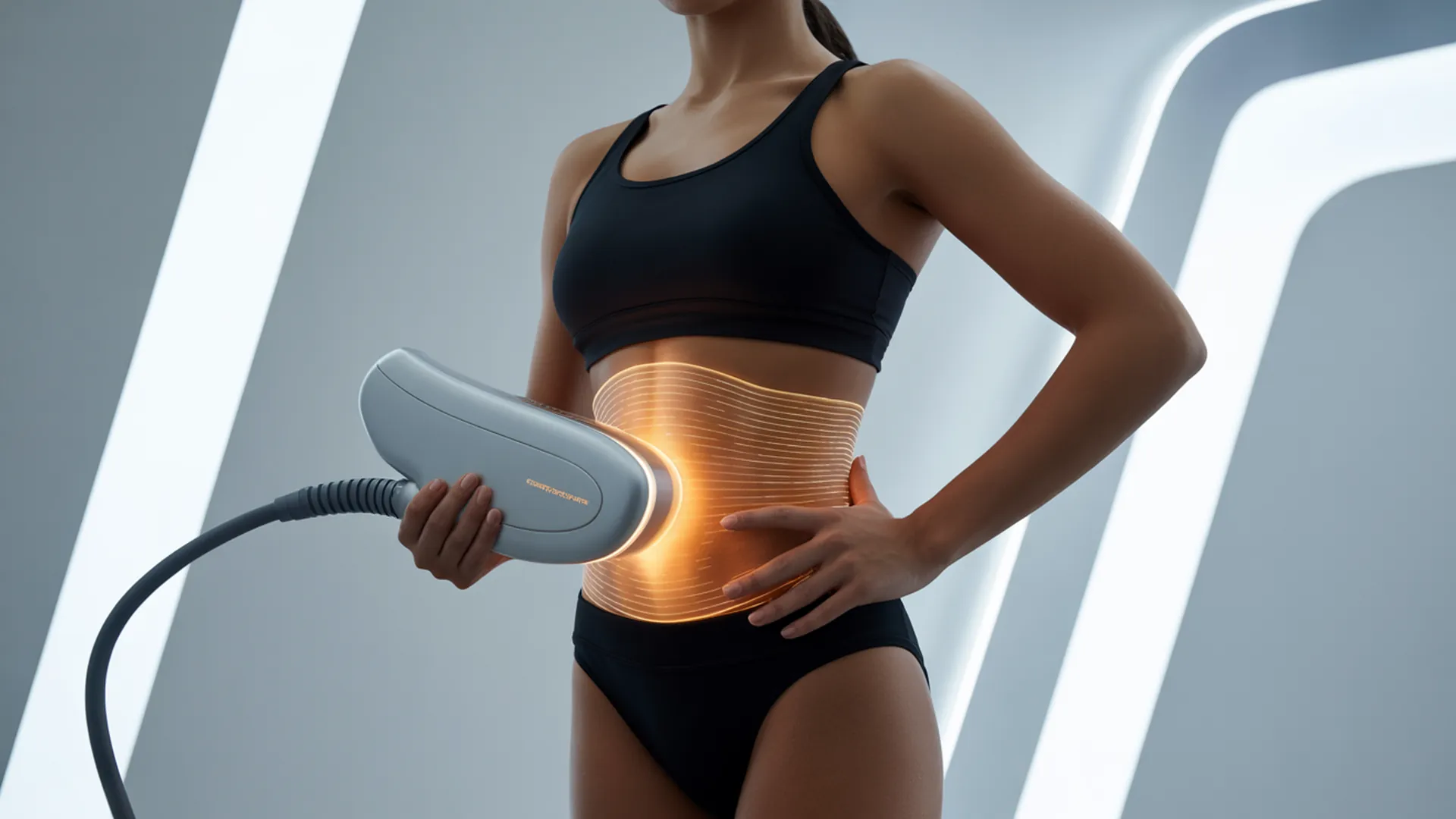
When combined with EmFemme 360™ radiofrequency — which improves circulation, tissue elasticity, and collagen production in the intimate area — the result is a comprehensive approach to pelvic health that addresses both muscle strength and tissue quality.
Templus Life's Intima360 program combines Emsella® and EmFemme 360™ under physician supervision for a complete, non-invasive approach to pelvic floor restoration and intimate wellness.
Breaking the Stigma
Pelvic floor challenges are not a normal part of aging that you simply have to accept. They are treatable medical conditions. The first step is having an honest conversation with a physician who understands both the physical and emotional dimensions of pelvic health.
Modern, non-invasive solutions mean you don't have to choose between suffering in silence and undergoing surgery. There is a middle path — one that is comfortable, effective, and empowering.